A Bahrain-based expert has highlighted the emotional burden faced by breastfeeding mothers living through conflict, noting that displacement, uncertainty and insecurity can take a significant psychological toll.
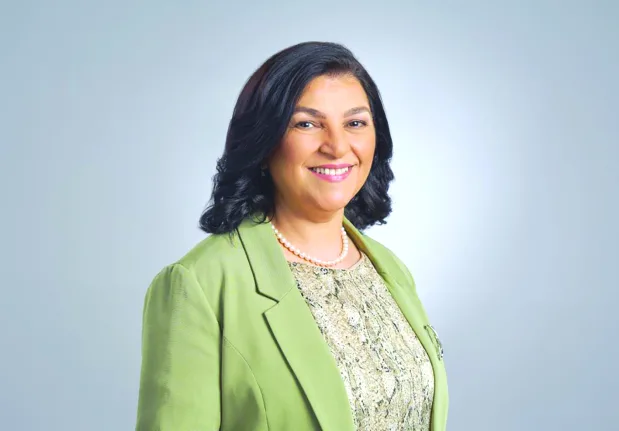
Bahraini nurse, midwife and global health leader Dr Naeema Al Qasseer stressed the need to build resilient families, communities and health systems capable of protecting mothers and children during uncertain times.
“Mothers worry about the safety of their children,” she told the GDN.
“These emotional stresses require compassionate care. With skilled counselling from frontline workers, usually nurses and midwives, alongside adequate nutrition and psychosocial support, most mothers can successfully continue breastfeeding, even under the most difficult circumstances,” she added.
Dr Al Qasseer, a former World Health Organisation official, has spent more than three decades working in humanitarian and conflict settings across Iraq, Sudan, Palestine, Yemen, Lebanon, Libya and Egypt.
“I have witnessed that breastfeeding is a life-saving intervention and a source of protection, comfort and resilience,” she added.
Echoing the importance of emotional and practical support, British expatriate and mother-of-an-infant Sarah S, from Saar, said strong support networks are essential during pregnancy and early motherhood.
“Pregnancy and the postpartum period naturally come with a lot of anxiety and heightened emotions because of the huge hormonal changes you’re experiencing. When there’s also uncertainty in the wider world, those feelings can be even more intense, even if you’re safe for the most part,” she said.
She stressed that mothers need reliable support systems they can turn to, including family members, healthcare professionals and medical facilities.
Speaking ahead of World Breastfeeding Week, Dr Al Qasseer advised sustained investments in baby-friendly hospitals, skilled breastfeeding counselling, maternity protection, community support, and the integration of Infant and Young Child Feeding in Emergencies into all humanitarian responses.
Sharing her views on this year’s theme, ‘Breastfeeding for a Sustainable Start in Life: Strengthen What Works’, she emphasised that sustainability extends beyond environmental concerns.
“Sustainability is not only about protecting the environment; it is equally about protecting human dignity. It also means building resilient families, communities and health systems capable of protecting mothers and children during emergencies.
“It improves child survival, protects maternal health, enhances cognitive development, reduces healthcare costs, and supports environmental sustainability by requiring no manufacturing, packaging, transport, fuel or clean water for preparation.”
She also underscored the importance of integrating mental health and psychosocial support into maternal and newborn care services.
“While the GCC benefits from strong health systems, it remains closely connected to neighbouring humanitarian crises through geography, family ties and humanitarian leadership. The region has an important opportunity to champion breastfeeding as part of health security, emergency preparedness and sustainable development.
“Protecting breastfeeding is a shared responsibility of governments, health professionals, humanitarian organisations and communities. By strengthening what we already know works, we invest not only in healthier children today but also in more resilient societies and a more sustainable future,” she added.