
توعد مسؤول أمريكي، اليوم (الثلاثاء)، إيران بعواقب بسبب تصرفاتها في مضيق هرمز، مؤكداً أن الولايات المتحدة لا تقبل ما وصفه بالممارسات الإيرانية في الممر المائي الحيوي.
ونقلت وسائل إعلام غربية عن مسؤول أمريكي قوله: وزارة الخزانة ألغت قراراً يسمح ببيع النفط الإيراني، موضحاً أنهم لا يقبلون تصرفات إيران في مضيق هرمز وستقابل بعواقب.
وأشار المسؤول إلى أن المفاوضين الأمريكيين يواصلون العمل بحسن نية للتوصل إلى اتفاق نهائي مع إيران.
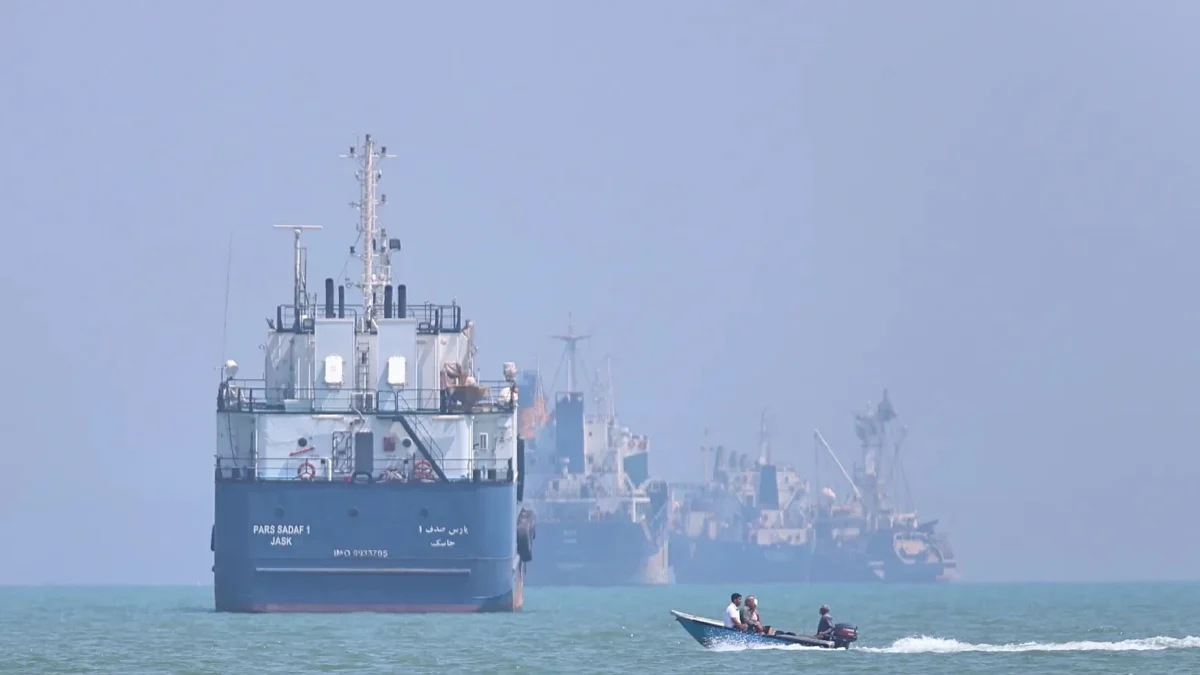
وتعرضت ثلاث سفن لهجمات في مضيق هرمز في الساعات الأربع والعشرين الماضية، من بينها ناقلة قطرية للغاز المسال وناقلة سعودية.
وجهت الدوحة اتهامات لطهران باستهدافها، وذلك رغم سريان اتفاق لوقف إطلاق النار بين الولايات المتحدة وإيران.
ونددت السعودية وقطر بالهجمات، مؤكدتين رفضهما للسلوك الإيراني.
وقال مركز المعلومات البحرية المشترك إن 3 حوادث استهدفت ناقلة غاز طبيعي شرق ليما بسلطنة عمان، وناقلتي نفط شرق خورفكان بالإمارات وشرق شبه جزيرة مسندم بعمان، مشيراً إلى استمرار هجمات الحرس الثوري الإيراني والنداء اللاسلكي للسفن ونشاط المسيرات، تزامناً مع رفع مستوى التهديد في مضيق هرمز إلى شديد بعد الهجمات الأخيرة.
وأشار مركز المعلومات إلى استمرار الحركة في الممرين الشمالي والجنوبي بالمضيق دون انتقال السفن إلى المسار العماني، مؤكداً أن الولايات المتحدة تواصل تأمين القوافل التجارية دون انقطاع رغم ارتفاع مستوى التهديد.
تأتي الحادثة رغم الاتفاق المؤقت بين الولايات المتحدة وإيران، الذي تضمن ترتيبات لضمان استمرار الملاحة خلال فترة التهدئة، إلا أن الخلاف لا يزال قائماً بشأن مسارات العبور وآلية إدارة حركة السفن في المضيق.
An American official warned today (Tuesday) Iran of consequences due to its actions in the Strait of Hormuz, affirming that the United States does not accept what he described as Iranian practices in the vital waterway.
Western media reported an American official stating: The Treasury Department has revoked a decision allowing the sale of Iranian oil, clarifying that they do not accept Iran’s actions in the Strait of Hormuz and that there will be consequences.
The official indicated that American negotiators continue to work in good faith to reach a final agreement with Iran.
Three ships have been attacked in the Strait of Hormuz in the past twenty-four hours, including a Qatari liquefied gas tanker and a Saudi tanker.
Doha has accused Tehran of targeting it, despite a ceasefire agreement between the United States and Iran being in effect.
Saudi Arabia and Qatar condemned the attacks, affirming their rejection of Iranian behavior.
The Joint Maritime Information Center reported that three incidents targeted a natural gas tanker east of Lima in Oman, and two oil tankers east of Khor Fakkan in the UAE and east of the Musandam Peninsula in Oman, noting the continued attacks by the Iranian Revolutionary Guard and the radio calls from ships and drone activity, coinciding with an increase in the threat level in the Strait of Hormuz to severe following the recent attacks.
The information center indicated that traffic in the northern and southern passages of the strait continues without ships moving to the Omani route, confirming that the United States continues to secure commercial convoys without interruption despite the heightened threat level.
This incident comes despite the temporary agreement between the United States and Iran, which included arrangements to ensure the continuation of navigation during the de-escalation period, but disagreements still exist regarding transit routes and the management of ship movements in the strait.