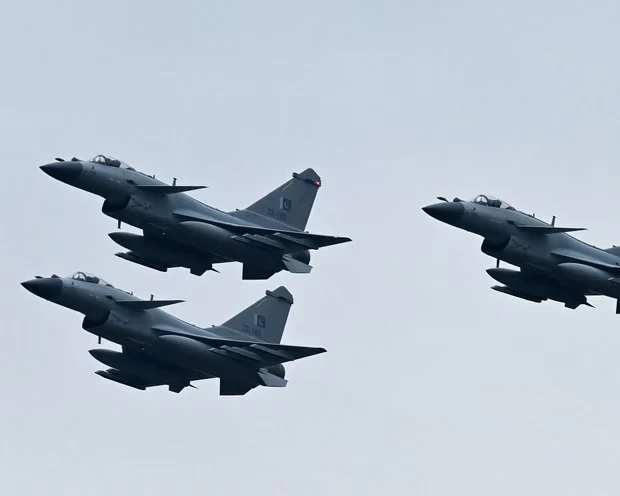
أعلنت باكستان مقتل ما لا يقل عن 29 شخصاً خلال عمليات عسكرية برية وغارات جوية استهدفت مواقع لمسلحين في شرق أفغانستان، في أحدث تصعيد بين البلدين، وذلك عقب هجوم دامٍ استهدف قوات الأمن الباكستانية في مدينة كراتشي.
وقال وزير الإعلام الباكستاني عطا الله ترار، إن القوات الأمنية نفذت، مساء الأحد، عملية برية استندت إلى معلومات استخباراتية أعقبتها غارات جوية استهدفت ما وصفها بـ«أوكار الإرهابيين» على الجانب الأفغاني من الحدود، مؤكداً أن العملية جاءت رداً على الهجوم الذي أودى بحياة ثلاثة من عناصر الأمن في كراتشي خلال عطلة نهاية الأسبوع.
وأوضح ترار، أن الضربات استهدفت مخابئ جماعتي «جماعة الأحرار» و«فتنة الخوارج»، وهو المصطلح الذي تستخدمه السلطات الباكستانية للإشارة إلى حركة طالبان الباكستانية.
في المقابل، نفت السلطات الأفغانية مجدداً استخدام أراضيها لشن هجمات ضد باكستان، مؤكدة أن الغارات الباكستانية التي طالت ثلاث ولايات شرقية أسفرت عن مقتل وإصابة عشرات المدنيين.
ووصف المتحدث باسم حكومة طالبان، ذبيح الله مجاهد، الهجمات بأنها «عمل عدواني جبان»، مندداً بالتصعيد العسكري ومطالباً باكستان باحترام سيادة أفغانستان.
ويأتي هذا التصعيد بعد يوم واحد فقط من هجوم شنه مسلحون مزودون بأسلحة نارية ومواد متفجرة على المقر الإقليمي لقوات «الرينجرز» شبه العسكرية في مدينة كراتشي الساحلية، ما أسفر عن مقتل ثلاثة جنود. وأعلنت القوات الباكستانية مقتل ثلاثة من المهاجمين واعتقال رابع مصاب، مشيرة إلى أنه يحمل الجنسية الأفغانية.
وأعلنت جماعة «جماعة الأحرار»، المنشقة عن حركة طالبان الباكستانية، مسؤوليتها عن الهجوم في بيان صدر مساء السبت.
وأكد وزير الإعلام الباكستاني أن بلاده «تسعى دائماً إلى الحفاظ على السلام والاستقرار في المنطقة»، لكنه شدد في الوقت نفسه على أن حماية المواطنين وأمنهم «أولوية لا يمكن التهاون فيها».
وخلال السنوات الأخيرة، شهدت باكستان تصاعداً ملحوظاً في الهجمات التي تستهدف قوات الأمن والشرطة، وتحمّل إسلام أباد المسؤولية في معظمها لحركة طالبان الباكستانية وحلفائها. ورغم أن الحركة منفصلة تنظيمياً عن طالبان الأفغانية، فإنها ترتبط معها بعلاقات وتحالفات وثيقة.
ورغم اتفاق البلدين على وقف إطلاق النار في مارس الماضي، فإن الاشتباكات والهجمات المتفرقة لم تتوقف، إذ قالت السلطات الأفغانية إن ضربات باكستانية في يونيو الماضي أسفرت عن مقتل 13 شخصاً.
وتؤكد الحكومة الباكستانية أن استمرار عملياتها العسكرية عبر الحدود يأتي في إطار مكافحة الإرهاب، خصوصاً في ظل تصاعد نشاط الجماعات المسلحة، بينما تنفي كابول باستمرار إيواء أي عناصر متشددة، متهمة إسلام أباد بالتسبب في سقوط أعداد كبيرة من الضحايا المدنيين.
وكانت العلاقات بين البلدين قد شهدت تدهوراً حاداً منذ عودة حركة طالبان إلى السلطة في أفغانستان عام 2021، وبلغ التوتر ذروته مع اندلاع مواجهات عسكرية واسعة أواخر فبراير الماضي، أسفرت، بحسب الأمم المتحدة، عن مقتل المئات ونزوح عشرات الآلاف.
وشهدت تلك المواجهات قصفاً جوياً باكستانياً غير مسبوق استهدف مدناً أفغانية، من بينها العاصمة كابول ومدينة قندهار، معقل القيادة العليا لحركة طالبان.
ورغم جهود الوساطة التي قادتها دول عدة، بينها الصين والسعودية، لم تنجح المساعي الدبلوماسية حتى الآن في التوصل إلى تسوية دائمة، فيما لا تزال غالبية المعابر الحدودية بين البلدين مغلقة منذ تصاعد أعمال العنف عبر الحدود في أكتوبر الماضي.
وفي مارس، أكد قائد الجيش الباكستاني الجنرال عاصم منير أن تحقيق السلام بين البلدين لن يكون ممكناً إلا إذا تخلّت حركة طالبان عن دعم الجماعات والتنظيمات الإرهابية.
Pakistan announced the death of at least 29 people during ground military operations and airstrikes targeting militant positions in eastern Afghanistan, in the latest escalation between the two countries, following a deadly attack on Pakistani security forces in the city of Karachi.
Pakistani Information Minister Attaullah Tarar stated that security forces carried out a ground operation on Sunday evening based on intelligence information, followed by airstrikes targeting what he described as “terrorist hideouts” on the Afghan side of the border, confirming that the operation was in response to the attack that claimed the lives of three security personnel in Karachi over the weekend.
Tarar explained that the strikes targeted the hideouts of the “Jamaat-ul-Ahrar” and “Fitna al-Khawarij” groups, which is the term used by Pakistani authorities to refer to the Tehrik-i-Taliban Pakistan (TTP).
In contrast, Afghan authorities once again denied using their territory to launch attacks against Pakistan, asserting that the Pakistani airstrikes that affected three eastern provinces resulted in the deaths and injuries of dozens of civilians.
Taliban government spokesman Zabihullah Mujahid described the attacks as a “cowardly act of aggression,” condemning the military escalation and demanding that Pakistan respect Afghanistan’s sovereignty.
This escalation comes just one day after an attack by armed militants equipped with firearms and explosives on the regional headquarters of the paramilitary “Rangers” forces in the coastal city of Karachi, which resulted in the deaths of three soldiers. Pakistani forces announced the killing of three attackers and the arrest of a fourth who was injured, noting that he holds Afghan nationality.
The “Jamaat-ul-Ahrar,” a splinter group from the Tehrik-i-Taliban Pakistan, claimed responsibility for the attack in a statement issued on Saturday evening.
The Pakistani Information Minister confirmed that his country “always seeks to maintain peace and stability in the region,” but emphasized at the same time that protecting citizens and their security is “a priority that cannot be compromised.”
In recent years, Pakistan has witnessed a notable increase in attacks targeting security and police forces, with Islamabad holding the Tehrik-i-Taliban Pakistan and its allies responsible for most of them. Although the group is organizationally separate from the Afghan Taliban, it maintains close ties and alliances with them.
Despite an agreement between the two countries to cease fire last March, clashes and sporadic attacks have not stopped, as Afghan authorities reported that Pakistani strikes in June resulted in the deaths of 13 people.
The Pakistani government asserts that the continuation of its military operations across the border is part of its fight against terrorism, especially amid the rising activity of armed groups, while Kabul continuously denies harboring any extremist elements, accusing Islamabad of causing a large number of civilian casualties.
Relations between the two countries have deteriorated sharply since the Taliban returned to power in Afghanistan in 2021, with tensions peaking during widespread military confrontations in late February, which, according to the United Nations, resulted in hundreds of deaths and the displacement of tens of thousands.
These confrontations witnessed unprecedented Pakistani airstrikes targeting Afghan cities, including the capital Kabul and the city of Kandahar, the stronghold of the Taliban’s leadership.
Despite mediation efforts led by several countries, including China and Saudi Arabia, diplomatic efforts have so far failed to reach a lasting settlement, while most border crossings between the two countries have remained closed since the escalation of violence across the border last October.
In March, Pakistani Army Chief General Asim Munir confirmed that achieving peace between the two countries would only be possible if the Taliban abandoned support for terrorist groups and organizations.