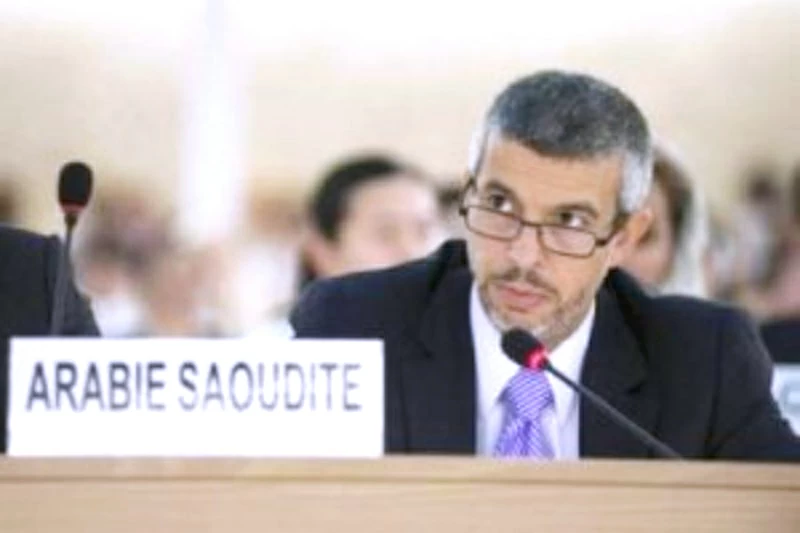
أكدت المملكة العربية السعودية، أهمية الحفاظ على الأطر والمبادئ الدولية التي تستند إليها منظومة الحوكمة البيئية الدولية، وفي مقدمتها إعلان ريو، مشدّدة على أن أي إصلاح مؤسسي يجب أن يعزّز كفاءة المنظومة دون أن يؤدي إلى الازدواجية أو إضعاف الأطر والآليات القائمة.
جاء ذلك في كلمة المندوب الدائم للمملكة لدى الأمم المتحدة السفير الدكتور عبدالعزيز الواصل، خلال اجتماع الجمعية العامة المخصص للإحاطة بشأن التقدم المحرز في مبادرة «الأمم المتحدة 80»، وذلك في الجزء المتعلق بتقييم الحوكمة البيئية الدولية.
وأوضح السفير الواصل، أن منظومة الحوكمة البيئية الدولية تطوّرت عبر مسارات تفاوضية متوازنة وشاملة، وأسهمت في بناء إطار دولي متكامل لمعالجة القضايا البيئية، مؤكداً أن المملكة لا ترى حاجة إلى إعادة تأطير منظومة الحوكمة البيئية أو توسيع نطاقها خارج الأطر المتفق عليها دولياً.
وشدّد على أهمية الحفاظ على استقلالية الاتفاقيات البيئية متعددة الأطراف، مع التحفظ على توسيع الصلاحيات التنسيقية أو استحداث هياكل مؤسسية جديدة قد تؤدي إلى تداخل الاختصاصات أو ازدواجية الأدوار، مؤكداً ضرورة مراعاة الظروف والأولويات الوطنية عند تنفيذ الالتزامات البيئية.
كما أبدى تحفظ المملكة على التوسع في استخدام أدوات الذكاء الاصطناعي في هذا المجال خلال المرحلة الحالية، داعياً إلى التعامل مع هذه التقنيات بحذر إلى حين توافر الأطر المناسبة التي تضمن استخدامها بصورة فعالة وآمنة. وجدد الواصل تأكيده أن الأولوية ينبغي أن تتركز على تنفيذ الالتزامات القائمة، وتعزيز الدعم المقدم للدول الأعضاء، مع الحفاظ على الاختصاص الأصيل للدول الأطراف في اتخاذ القرارات المتعلقة بالاتفاقيات البيئية وآليات تنفيذها، بما يضمن احترام الأطر الدولية المتفق عليها وتحقيق أهداف التنمية المستدامة.
The Kingdom of Saudi Arabia emphasized the importance of preserving the international frameworks and principles upon which the international environmental governance system is based, foremost among them the Rio Declaration, stressing that any institutional reform must enhance the efficiency of the system without leading to duplication or weakening of the existing frameworks and mechanisms.
This was stated by the Kingdom’s Permanent Representative to the United Nations, Ambassador Dr. Abdulaziz Al-Wasil, during a General Assembly meeting dedicated to briefing on the progress made in the “UN 80” initiative, specifically regarding the assessment of international environmental governance.
Ambassador Al-Wasil explained that the international environmental governance system has developed through balanced and comprehensive negotiation pathways, contributing to the establishment of an integrated international framework for addressing environmental issues, affirming that the Kingdom sees no need to reframe the environmental governance system or expand its scope beyond the internationally agreed frameworks.
He stressed the importance of maintaining the independence of multilateral environmental agreements, while expressing reservations about expanding coordinating powers or creating new institutional structures that could lead to overlapping jurisdictions or duplication of roles, emphasizing the necessity of considering national circumstances and priorities when implementing environmental commitments.
The Kingdom also expressed reservations about the expansion of the use of artificial intelligence tools in this field during the current phase, calling for caution in dealing with these technologies until appropriate frameworks are available to ensure their effective and safe use. Al-Wasil reiterated that priority should focus on implementing existing commitments and enhancing support provided to member states, while preserving the original jurisdiction of the parties in making decisions related to environmental agreements and their implementation mechanisms, ensuring respect for the agreed international frameworks and achieving sustainable development goals.