

رحبت جامعة الدول العربية بالتوصل إلى «اتفاق الإطار» بين لبنان وإسرائيل برعاية الولايات المتحدة، معتبرة أنه يمثل خطوة مهمة على طريق استعادة الدولة اللبنانية سيادتها الكاملة على أراضيها، مع التحذير في الوقت ذاته من أي محاولات قد تعرقل تنفيذ الاتفاق أو تهدد الاستقرار الداخلي في لبنان.
وأجرى الأمين العام لجامعة الدول العربية، أحمد أبو الغيط، اتصالاً هاتفياً برئيس الوزراء اللبناني نواف سلام، أعرب خلاله عن ترحيبه بالتوصل إلى الاتفاق، واعتبره خطوة مهمة نحو تمكين الدولة اللبنانية من بسط سيادتها على كامل أراضيها، والوصول إلى انسحاب إسرائيلي كامل ونهائي من جنوب لبنان.
وأكد أبو الغيط، بحسب بيان صادر عن الجامعة العربية، أن تنفيذ الاتفاق من شأنه أن يفتح الطريق أمام عودة النازحين إلى مناطقهم، واستعادة الأسرى، إلى جانب تمكين الحكومة اللبنانية من حشد الدعم الدولي اللازم لإعادة إعمار المناطق المتضررة في الجنوب.
وشدد الأمين العام على استمرار دعم جامعة الدول العربية لكافة الخطوات التي تتخذها الحكومة اللبنانية من أجل ترسيخ الأمن والاستقرار، وتعزيز سيادة الدولة على جميع أراضيها.
وفي المقابل، حذر المتحدث باسم الأمين العام من استمرار ما وصفه بـ«السياسات الإسرائيلية الاستفزازية» أو أي خطوات من شأنها التنصل من الالتزامات الواردة في الاتفاق، مؤكداً أن ذلك قد يقوض فرص تنفيذه ويعيد التوتر إلى الساحة اللبنانية.
كما شدد على أهمية الحفاظ على وحدة الصف اللبناني، والوقوف خلف مؤسسات الدولة والحكومة لمواجهة أي محاولات لإثارة الفتنة أو تهديد السلم الأهلي، مؤكداً تضامن الجامعة العربية الكامل مع لبنان واستعدادها لمواصلة دعمه في هذه المرحلة الدقيقة.
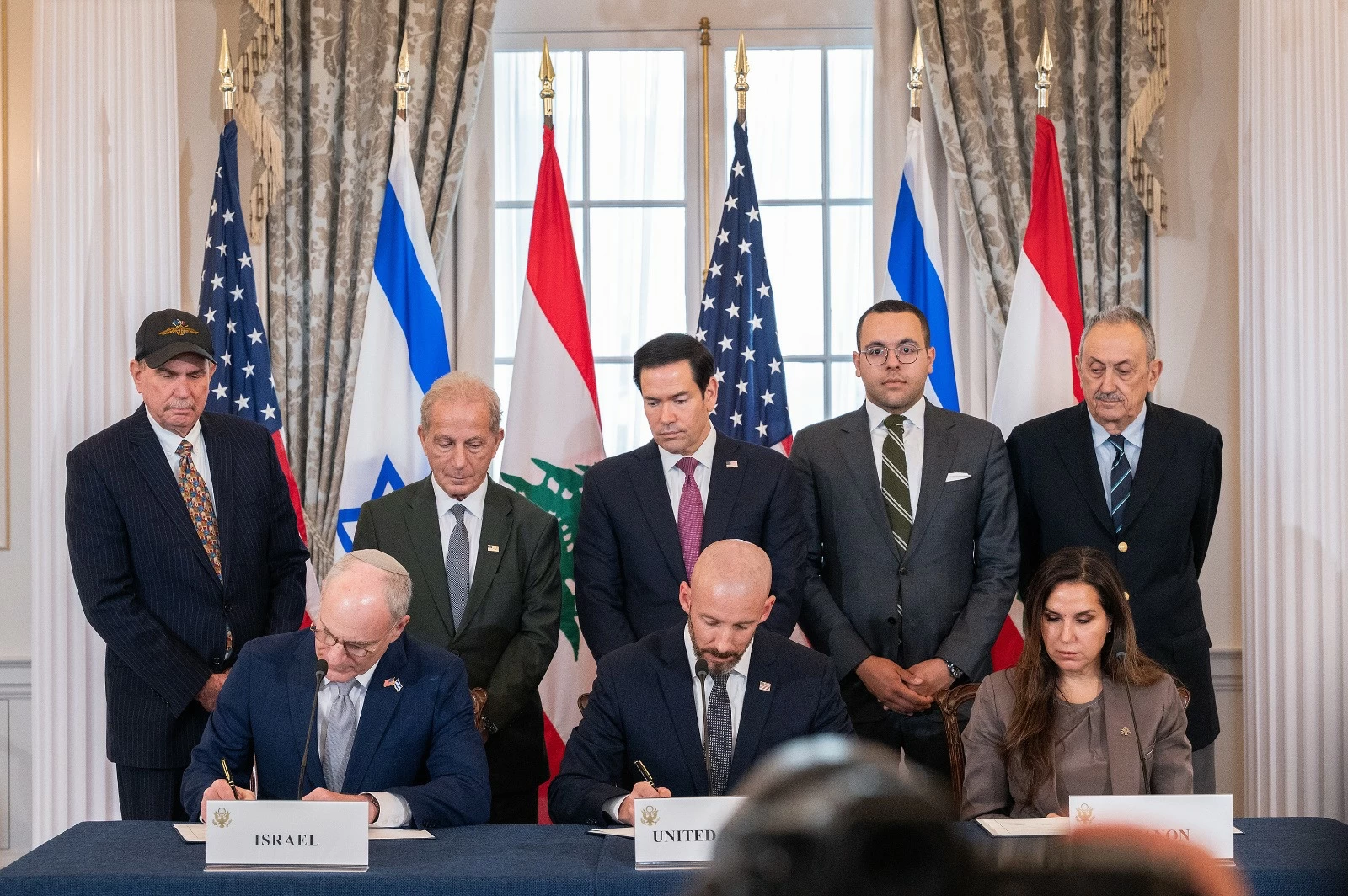
ويأتي موقف جامعة الدول العربية بعد ساعات من توقيع لبنان وإسرائيل «اتفاق الإطار» في واشنطن برعاية أمريكية، عقب جولة خامسة من المفاوضات بين الجانبين.
وأثار الاتفاق ردود فعل متباينة داخل لبنان، وشهدت العاصمة بيروت احتجاجات لأنصار «حزب الله» رفضاً للاتفاق، تخللتها عمليات قطع طرق، قبل أن يتدخل الجيش اللبناني لاحتواء الموقف وإعادة فتح الطرق.
وفي موازاة ذلك، أصدر النائب العام التمييزي في لبنان تعليمات إلى الأجهزة الأمنية باتخاذ إجراءات مشددة لمنع أعمال الشغب والإخلال بالأمن العام، فيما دعا رئيس مجلس النواب نبيه بري اللبنانيين إلى تجنب الفتنة والحفاظ على وحدة الصف الداخلي.
The Arab League welcomed the reaching of a “framework agreement” between Lebanon and Israel under the auspices of the United States, considering it an important step towards restoring the Lebanese state’s full sovereignty over its territories, while simultaneously warning against any attempts that may obstruct the implementation of the agreement or threaten internal stability in Lebanon.
The Secretary-General of the Arab League, Ahmed Aboul Gheit, made a phone call to Lebanese Prime Minister Nawaf Salam, during which he expressed his welcome for the agreement, considering it an important step towards enabling the Lebanese state to assert its sovereignty over its entire territory and achieving a complete and final Israeli withdrawal from southern Lebanon.
Aboul Gheit emphasized, according to a statement issued by the Arab League, that the implementation of the agreement would pave the way for the return of displaced persons to their areas, the recovery of prisoners, as well as enabling the Lebanese government to garner the necessary international support for the reconstruction of the affected areas in the south.
The Secretary-General stressed the continued support of the Arab League for all steps taken by the Lebanese government to establish security and stability, and to enhance the state’s sovereignty over all its territories.
In contrast, the spokesperson for the Secretary-General warned against the continuation of what he described as “provocative Israeli policies” or any steps that would lead to evading the commitments outlined in the agreement, affirming that this could undermine the chances of its implementation and bring back tension to the Lebanese arena.
He also emphasized the importance of maintaining the unity of the Lebanese ranks and standing behind state institutions and the government to confront any attempts to incite strife or threaten civil peace, affirming the Arab League’s full solidarity with Lebanon and its readiness to continue supporting it during this critical phase.
The position of the Arab League comes hours after Lebanon and Israel signed the “framework agreement” in Washington under American sponsorship, following a fifth round of negotiations between the two sides.
The agreement sparked mixed reactions within Lebanon, and the capital Beirut witnessed protests by supporters of “Hezbollah” rejecting the agreement, which included road blockades, before the Lebanese army intervened to contain the situation and reopen the roads.
In parallel, the Attorney General in Lebanon issued instructions to security agencies to take strict measures to prevent riots and disturbances of public security, while the Speaker of the Parliament, Nabih Berri, called on the Lebanese to avoid strife and maintain internal unity.
تعليقات